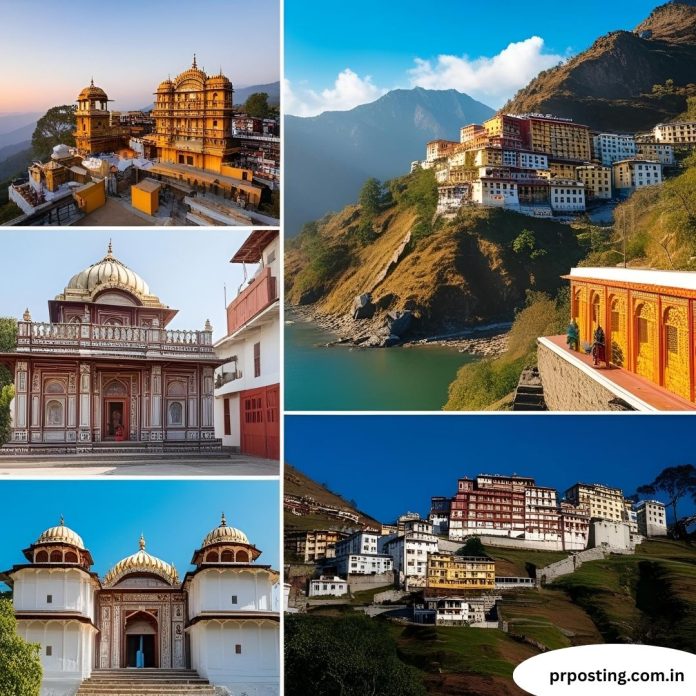

Located in the foothills of the magnificent Himalayas, Rishikesh is a city that skillfully combines adventure, spirituality, and scenic beauty. Known as the “Yoga Capital of the World,” it draws tourists looking for tranquility, enlightenment, and a sense of connection with the natural world. Rishikesh provides a wide range of experiences, whether you’re an adventurer, a spiritual seeker, or someone who wants to unwind in beautiful surroundings.
1. Triveni Ghat: Rishikesh’s Spiritual Pulse
In Rishikesh, Triveni Ghat is the most well-known and esteemed ghat. It is regarded as the meeting point of the Ganga, Yamuna, and Saraswati rivers and is located on the banks of the holy Ganges. In the belief that it absolves them of their sins, devotees come to this ghat to take ceremonial baths. Every day, hundreds of people come to witness the captivating display of fire, chants, and devotion that is the evening Ganga Aarti.
2. The Magnificent Suspension Bridge, Ram Jhula
The Ram Jhula is an iron suspension bridge that connects the Swargashram neighborhood of Rishikesh and the Sivananda Nagar neighborhood of Muni Ki Reti across the Ganges River. This 750-foot bridge, which was constructed in 1986, is a famous feature in the city. It is a popular location for photography and leisurely walks since it provides expansive views of the river and the surrounding hills.
3. Beatles Ashram: A Combination of Spirituality and Music
When the famed band came to study Transcendental Meditation under Maharishi Mahesh Yogi in 1968, the Beatles Ashram, also called Chaurasi Kutia, became well-known throughout the world. Some of the graffiti and murals that adorn the ashram were influenced by the band’s visit. Today, it draws tourists from all over the world with its distinctive fusion of spirituality, music, and art.
4. Ananda in the Himalayas: An Opulent Spa Sanctuary
Ananda in the Himalayas, a well-known wellness center that blends contemporary spa treatments with ancient Ayurveda, is situated just outside of Rishikesh. Located in the serene foothills of the Himalayas, it provides yoga, meditation, and holistic therapies to give visitors a restorative experience that feeds their bodies and minds.
5. The Temple of Neelkanth Mahadev: A Hallowed Destination
Lord Shiva is worshipped at the Neelkanth Mahadev Temple, which is 1,330 meters above sea level. It is the location where Lord Shiva ingested the poison when the ocean was churning, according to Hindu legend. The temple provides a calm setting for both nature lovers and worshipers, and it is encircled by thick trees.
6. Rajaji National Park: A Refuge for Lovers of Wildlife
Rajaji National Park, which spans 820 square kilometers, is a wildlife lover’s paradise. Elephants, tigers, leopards, and a variety of bird species are among the park’s many wildlife species. To discover the region’s rich biodiversity and take in the breathtaking scenery of the wooded areas, tourists can go on jeep safaris.
7. A Spiritual Retreat at Parmarth Niketan
One of the biggest ashrams in Rishikesh, Parmarth Niketan offers Ganga Aarti, yoga and meditation training, and spiritual talks. The ashram is the perfect location for people looking for inner peace and spiritual development because of its calm surroundings and spiritual atmosphere. Additionally, it holds the International Yoga Festival every year, which draws yoga practitioners from all over the world.
8. The Historic Suspension Bridge at Laxman Jhula
The historic Laxman Jhula suspension bridge connects the towns of Tapovan and Jonk by crossing the Ganges River. It is said to be the location where Lakshman, the brother of Lord Rama, traversed the river on a jute rope. Despite being closed for renovations, people are nevertheless drawn to the bridge because of its historical significance and picturesque surroundings.
9. The Multi-Storied Temple of Tera Manzil
Trimbakeshwar Temple, another name for Tera Manzil Temple, is a multi-story temple devoted to a number of gods. The temple is a singular architectural wonder with shrines to various gods and goddesses on each floor. For both tourists and believers, the temple offers a tranquil haven with expansive views of the Ganges and the surrounding hills.
10. Sivananda Ashram: An Illuminating Light for Spiritual Education
Swami Sivananda established the well-known spiritual institution Sivananda Ashram, which provides yoga and meditation classes. Seekers from all over the world are drawn to the ashram by its calm surroundings and concentration on spiritual education. The Divine Life Society, which produces spiritual books and engages in a range of charity endeavors, is also housed there.
11. A Meditation Cave: Vashishta Gufa
Named for the philosopher Vashishta, Vashishta Gufa is a remote cave on the Ganges River. It is thought that the sage meditated there and became enlightened. The cave is a well-liked destination for spiritual seekers since it provides a peaceful setting for meditation and reflection.
12. Ganga Beach: A Calm Place to Unwind
Visitors can unwind by the river, swim in the sacred waters, or take a leisurely stroll along the banks of Ganga Beach, which is close to Triveni Ghat. The beach is the ideal place for meditation and introspection because it gives breathtaking views of the Ganges and the nearby hills.
13. A Center of Spirituality: Swarg Ashram
Known for its ashrams, temples, and yoga centers, Swarg Ashram is a spiritual center on the banks of the Ganges. Numerous well-known spiritual leaders call the region home, and it provides a serene setting for spiritual activities. In addition to taking part in yoga and meditation classes, visitors can tour the several ashrams and listen to spiritual talks.
14. Shopping in Rishikesh: Combining Modern and Traditional Styles
From ancient marketplaces that sell apparel, handicrafts, and spiritual objects to contemporary stores that sell yoga gear and souvenirs, Rishikesh provides a wide range of shopping options. The lively and bustling local markets provide tourists the chance to bring a bit of Rishikesh’s rich history and culture home with them.
15. The Ideal Time to Go to Rishikesh
The months of September through March are the best times to visit Rishikesh because of the excellent weather that makes outdoor activities possible.
Although heated, the summer months of April through June are still tolerable, particularly for those organizing river rafting or spiritual retreats. Even while the monsoon season (July to early September) is beautiful and full of vegetation, it might interfere with outdoor plans due to its excessive rainfall. But during the rainy season, when the Ganges flows in all its splendor and clouds hover low over the mountains, Rishikesh takes on a supernatural quality.
16. Rishikesh Adventure Activities
Rishikesh is a hub for adventure as well as spirituality. The city has turned into a mecca for thrill-seekers, offering everything from mountain biking to bungee jumping, cliff leaping, flying fox, rock climbing, and white water rafting on the Ganges. Because of the volume and severity of rapids, this is one of the best places in the world to raft a river. Popular places to start rafting excursions include Shivpuri and Marine Drive.
17. Centers for Yoga and Meditation
Numerous yoga and meditation centers in Rishikesh, known as the “Yoga Capital of the World,” provide retreats that last anything from a few days to several weeks. In-depth instruction in Hatha Yoga, Ashtanga Yoga, Kundalini Yoga, and other types of meditation is offered by these centers. Yoga teacher training certification programs attract a lot of foreign visitors. The city’s spiritual atmosphere makes it the perfect place for those seeking inner serenity or to develop their practice.
18. The Culture of Cafés in Rishikesh
In addition to its ashrams and temples, Rishikesh is known for its vibrant café culture. These calm cafés, which are frequently tucked away in quiet alleys or with a view of the Ganges, serve vegan, organic, and fusion foods. Cafes in Rishikesh are great places to reflect or meet other travelers who share your interests, whether you’re savoring wood-fired pizza in the evening or drinking masala chai at daybreak. The majority of these locations provide Wi-Fi and draw digital nomads who want quiet environments for working remotely.
19. Wellness and Ayurvedic Treatments
Natural healing methods, Panchakarma therapies, and Ayurvedic treatments are all prevalent in Rishikesh. Using traditional Indian therapeutic techniques, certified Ayurvedic practitioners offer individualized therapies that balance the body’s doshas (Pitta, Kapha, and Vata). To regain their health and vigor, visitors can take use of massages, detoxification procedures, herbal remedies, and dietary guidance. Both Indian and foreign wellness visitors are drawn to these facilities.
20. Spiritual and Cultural Occasions
Many religious and cultural activities are held in Rishikesh all year round. Thousands of yoga aficionados travel from all over the world to attend the International Yoga Festival in March, which offers a week-long immersion in yoga, wellness, music, and spiritual teachings. Tourists have a rare chance to observe local customs and rituals during the vibrant and enthusiastic celebrations of Holi, Diwali, Makar Sankranti, and Ganga Dussehra.
21. Local Attractions and Day Trips
Additionally, Rishikesh is a fantastic starting point for seeing neighboring places like:
Devprayag is where the Alaknanda and Bhagirathi rivers converge to make the Ganges.
Only 25 kilometers away is another important pilgrimage destination, Haridwar, which is well-known for its evening aarti at Har Ki Pauri.
Perched on a hill overlooking the Himalayan ranges, Kunjapuri Devi Temple is a stunning dawn spot and a place of worship.
Neer Garh and Patna Waterfalls are beautiful hikes and wonderful natural picnic locations.
22. Responsible Travel and Eco-Tourism
Rishikesh has made progress in developing eco-tourism as a result of growing environmental consciousness. Numerous retreats and guesthouses promote the use of biodegradable items, plastic-free procedures, and waste segregation. Visitors are urged to participate in local cleanliness campaigns and refrain from polluting in order to preserve the Ganga’s sacredness. Rishikesh is a model destination for responsible tourism because of the increased focus on environmentally friendly travel.
23. Lodging Choices for All Price Ranges
When it comes to lodging, Rishikesh can accommodate all types of tourists. The city offers accommodations for all budgets, ranging from boutique hotels and opulent resorts to affordable guesthouses and hostels. For a small fee, many spiritual centers also provide seekers with simple yet hygienic housing. Yoga shalas, jungle retreats, and riverbank cottages provide tranquil settings for visitors to re-establish a connection with the natural world and themselves.
24. Rishikesh cuisine
In keeping with its religious culture, Rishikesh is a 100% vegetarian and alcohol-free city. With influences from Ayurvedic and North Indian cookery, the native food is flavorful and nutritious. You must try street cuisine like chaat, jalebi, kachoris, and aloo puri. Smoothies, herbal teas, raw food, gluten-free, and vegan options are all available at health-conscious eateries. Ayurvedic cooking workshops are especially well-liked by tourists who want to return home with healthier eating habits.
25. The Reasons Rishikesh Is a Classic Travel Destination
Every visitor to Rishikesh finds something worthwhile, whether it’s adventure, spiritual fulfillment, leisure, or cultural diversity. In this city, one can sit in a lively café at dusk, paraglide over the mountains at noon, and meditate by the sacred Ganges at sunrise. It provides the ideal balance of traditional knowledge and contemporary conveniences, tranquility and meaning, and tradition and adventure.
In conclusion, embrace Rishikesh’s essence.
Rishikesh is an experience rather than merely a place to visit. You’re engaging in something ageless and life-changing whether you’re rafting over thunderous rapids, chanting during the aarti, strolling barefoot on the ghats, or just taking in the tranquility of the Himalayas. Rishikesh is a subtle reminder to slow down, take a deep breath, and connect—with nature, with people, and most importantly, with yourself—in a world that moves quickly.