
The thyroid gland is a small butterfly-shaped structure at the base of the neck, but its influence on the body’s systems is anything but proportionate to its size. Thyroid disorders encompass a wide spectrum of conditions, from common hormonal imbalances that affect millions globally to structural abnormalities and nodules that require precise diagnostic evaluation and sometimes procedural intervention. Understanding which thyroid condition requires which type of management, and how to identify care of genuinely high quality, is essential knowledge for patients navigating this frequently encountered but sometimes poorly understood area of medicine.
The Spectrum of Thyroid Disorders
Hypothyroidism
Hypothyroidism, underactivity of the thyroid gland, is the most common thyroid disorder. The gland produces insufficient thyroid hormone, leading to a slowing of metabolic processes throughout the body. Symptoms are often gradual in onset and include fatigue, weight gain, cold intolerance, dry skin, constipation, and low mood. The diagnosis is confirmed through blood tests measuring thyroid-stimulating hormone (TSH) and thyroid hormone levels.
The management of hypothyroidism is straightforward in most cases, oral replacement of the deficient thyroid hormone with levothyroxine. Dose titration based on regular blood test monitoring ensures that replacement is adequate and does not oversupply.
Hyperthyroidism
Hyperthyroidism, overactivity of the thyroid, produces the opposite metabolic picture: weight loss despite normal or increased appetite, heat intolerance, palpitations, anxiety, tremor, and in some cases eye changes (particularly when Graves’ disease is the underlying cause). Management options include antithyroid medications that reduce hormone production, radioiodine treatment that reduces the functional thyroid tissue, and thyroid surgery.
The choice between these approaches depends on the underlying cause, the severity of the condition, the patient’s age and general health, and their preferences regarding the respective advantages and disadvantages of each option.
Thyroid Nodules: When Structural Assessment Matters
The identification of a thyroid nodule, whether through palpation, incidental detection on imaging performed for another reason, or investigation of symptoms, initiates a specific clinical pathway focused on characterising the nodule and determining whether it warrants further investigation or treatment.
The majority of thyroid nodules are benign, but a proportion require tissue sampling through fine needle aspiration biopsy to exclude malignancy. Ultrasound imaging is the primary tool for nodule characterisation, and the reporting framework used by radiologists (TIRADS, Thyroid Imaging Reporting and Data System) provides standardised guidance on which nodules require biopsy and which can be safely monitored.
For patients seeking the best thyroid treatment in Ahmedabad, the availability of high-quality thyroid ultrasound, experienced operator skill in fine needle aspiration, and pathological expertise in cytological interpretation are all quality markers that determine the accuracy of the diagnostic process.
Minimally Invasive Thyroid Interventions
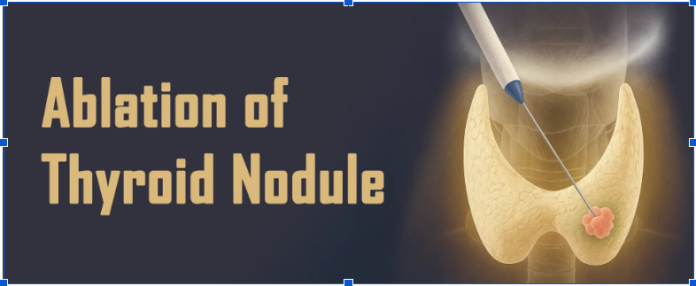
For thyroid nodules that are benign but symptomatic, causing pressure effects on the airway or oesophagus, or cosmetically significant, or for functioning nodules that are causing hyperthyroidism, minimally invasive ablation techniques offer an alternative to surgical removal.
Microwave ablation and radiofrequency ablation of thyroid nodules are established procedures in which thermal energy is delivered through a thin needle placed directly into the nodule under ultrasound guidance, causing the nodule to shrink progressively over time. These procedures are performed without general anaesthesia, require no surgical incision, and carry a significantly lower risk profile than conventional thyroid surgery.
The best thyroid treatment in Ahmedabad for a patient with a symptomatic benign nodule may be one of these ablation techniques rather than surgery, a recommendation that requires a specialist with knowledge across both surgical and interventional options.
How to Choose the Right Thyroid Treatment
The appropriate treatment depends on the underlying thyroid condition, symptoms, test results and overall health. A specialist may consider whether the problem is hormonal or structural, the size and characteristics of any nodule, thyroid hormone levels, and whether the condition is causing swallowing, breathing or cosmetic concerns.
For some patients, medication or regular monitoring may be sufficient, while selected benign nodules may be suitable for minimally invasive ablation. Thyroid cancer generally requires a different treatment pathway. A detailed assessment helps ensure that the chosen treatment matches the patient’s specific condition and clinical needs.
Thyroid Cancer: When Surgery Remains the Standard
For thyroid nodules confirmed as malignant on biopsy, surgery remains the primary treatment in most cases. The extent of surgery, hemithyroidectomy versus total thyroidectomy, depends on the size, type, and staging of the malignancy, and the decision is made within a multidisciplinary framework.
Following surgery, radioiodine treatment may be used to ablate any remaining thyroid tissue and treat metastatic disease. Long-term follow-up with thyroid hormone monitoring and periodic imaging forms the surveillance programme for treated thyroid cancer.
Brain Aneurysm Surgery in Ahmedabad: An Overview
While clinically distinct from thyroid conditions, brain aneurysm surgery in Ahmedabad represents another area of significant specialist intervention where treatment choice requires careful individualised assessment. A brain aneurysm is a weak spot in the wall of a cerebral artery that balloons outward under arterial pressure. Unruptured aneurysms may be managed through surveillance, endovascular coiling, or open surgical clipping depending on their size, location, morphology, and the patient’s overall risk profile. The selection between endovascular and surgical approaches is made by a multidisciplinary neurovascular team with access to appropriate imaging and specialist expertise.
Conclusion
Thyroid disorders span a wide clinical spectrum, and the treatment appropriate for one condition may be entirely different for another. Accurate diagnosis through quality imaging and laboratory assessment is the foundation of effective thyroid management. The availability of minimally invasive procedures alongside conventional medical and surgical approaches allows care to be tailored to each patient’s clinical situation and preferences. Dev Hospital provides specialist evaluation and treatment options designed around the specific thyroid condition and individual patient needs.