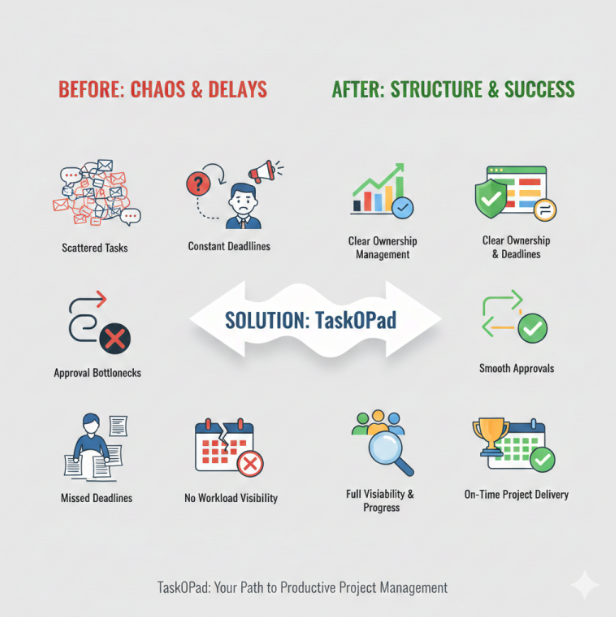

For years, IT teams have depended on basic ticketing systems to organise their workload. While these platforms can handle support requests effectively, they often do not address the wider range of responsibilities modern IT teams manage. IT work extends well beyond resolving tickets, covering projects, infrastructure changes, software releases, maintenance, and cross-department support. Because these activities often happen simultaneously, teams need a broader view of their workload. A complete solution should bring different types of IT work together, making priorities, resources, and progress easier to manage.
Why IT Teams Need More Than a Ticket Queue
IT work today extends well beyond simply responding to support tickets. Development sprints, infrastructure projects, internal tooling improvements, and cross-departmental collaboration all form a significant part of an IT team’s actual workload, yet a basic ticketing system typically isn’t designed to handle any of this. Relying purely on a ticket queue means a large portion of the team’s genuine work stays invisible within the very system meant to track it.
This can also make prioritisation harder for IT managers. A ticket may appear urgent because it has been recently submitted, while an important project task may receive less attention simply because it sits outside the ticket queue. Bringing different types of IT work into a clearer structure helps teams understand what needs immediate attention and what needs steady progress over time.
What Modern IT Task Management Software Should Cover
Modern IT teams need more than a place to record individual requests. IT task management software should support different types of work while keeping responsibilities, deadlines, progress, and dependencies visible. This allows managers to look beyond isolated tasks and understand how individual activities contribute to larger IT objectives.
Sprint and Delivery Tracking
For teams working in agile or sprint-based cycles, proper it task management software needs to support structured sprint planning, tracking tasks against specific sprint goals, and giving visibility into whether the team is on pace to meet delivery commitments. This goes considerably beyond the simple open-or-closed status that ticketing systems typically offer.
It should also make it easier to identify incomplete work, shifting priorities, and tasks that may affect the next stage of delivery. Having this information visible throughout the sprint gives managers and team members a clearer basis for making adjustments before deadlines become difficult to meet.
Cross-Team Task Visibility
IT work rarely happens in complete isolation from the rest of the business. Projects often require coordination with other departments, whether that’s rolling out a new tool, supporting a marketing campaign’s technical needs, or coordinating an infrastructure change that affects multiple teams. Good software should make this cross-team visibility straightforward, rather than requiring separate communication channels entirely disconnected from the actual task tracking system.
Shared visibility also reduces the need for repeated status requests. When relevant teams can see ownership, progress, deadlines, and updates in one place, communication becomes more focused. IT managers can spend less time compiling information manually, while other departments have a clearer understanding of what is happening with work that affects them.
Where a Task Tracking App Adds Daily Value
Beyond the bigger-picture project and sprint tracking, individual team members benefit enormously from a task tracking app that gives them a clear, personal view of exactly what’s expected of them each day. Rather than toggling between a ticketing system, a project board, and a separate to-do list, having one consistent place to see priorities, deadlines, and current status considerably reduces daily friction and context-switching.
This daily visibility is particularly useful when team members are balancing planned project work with unexpected requests. A clear task view helps them understand which activities need attention first and which deadlines are approaching. It also gives managers a more reliable picture of workload distribution across the team.
Common Gaps in Basic Ticketing Tools
Several recurring gaps tend to show up when teams rely purely on basic ticketing systems:
- No meaningful way to track ongoing projects or sprints, only individual tickets
- Limited visibility for other departments who need to see progress on shared initiatives
- Difficulty distinguishing between urgent support work and planned project work
- No centralised view combining daily tasks with longer-term deliverables
- Reporting that focuses purely on ticket counts rather than genuine productivity or delivery insights
These limitations can become increasingly noticeable as an IT department takes on more strategic responsibilities. When project work, support activities, and internal improvements are all happening simultaneously, managers need more than ticket volume to understand team performance. They need visibility into progress, workload, priorities, and delivery.
What a Complete Setup Looks Like
| Capability | Basic Ticketing Tool | Complete IT Task Management Setup |
| Support ticket handling | Yes | Yes |
| Sprint and project tracking | Limited or absent | Fully supported |
| Cross-team visibility | Minimal | Built-in, shared visibility |
| Daily personal task view | Often separate or absent | Integrated, centralised view |
| Reporting depth | Ticket-count focused | Broader delivery and productivity insight |
The distinction becomes important when evaluating whether an existing ticketing platform can genuinely support the entire team’s workload. A complete setup should help IT managers connect operational requests with planned work rather than forcing employees to maintain separate systems for different responsibilities.
Bringing IT Work Into One Coherent System
The IT teams that operate most smoothly tend to consolidate their varied work, support tickets, sprint tasks, cross-team projects, and daily priorities, into a single, coherent system rather than juggling multiple disconnected tools. This consolidation doesn’t just reduce administrative overhead, it genuinely improves how well the team can plan, prioritise, and demonstrate the full scope of their contribution to the wider business.
Having a centralised system can also make accountability easier to maintain. Team members know where their responsibilities are recorded, managers can review progress without gathering information from multiple sources, and stakeholders have a clearer view of relevant project work. The result is a more consistent approach to managing both planned and reactive IT activities.
A Few Questions Worth Asking About Your Current Setup
- Does our current system capture project work, or only support tickets?
- Can other departments see relevant progress without asking us directly?
- Do team members have one clear place to check their daily priorities?
- Does our reporting reflect genuine delivery, or just ticket volume?
These questions can help identify whether the current setup is genuinely supporting the team’s wider responsibilities. If several answers point towards fragmented tracking, separate tools, or limited visibility, it may be worth considering a system that brings project, task, and team coordination together.
Conclusion
Modern IT work extends well beyond basic ticket tracking, and the right software should reflect that full scope, from sprints through to cross-team collaboration. TaskOPad Solutions Private Limited gives IT teams a complete system built around how their work actually happens, not just how support requests come in. A more complete approach allows IT teams to manage planned projects and everyday responsibilities without treating them as completely separate workloads. With clearer task ownership, project visibility, collaboration, and reporting, teams can maintain better oversight while keeping their day-to-day work organised.