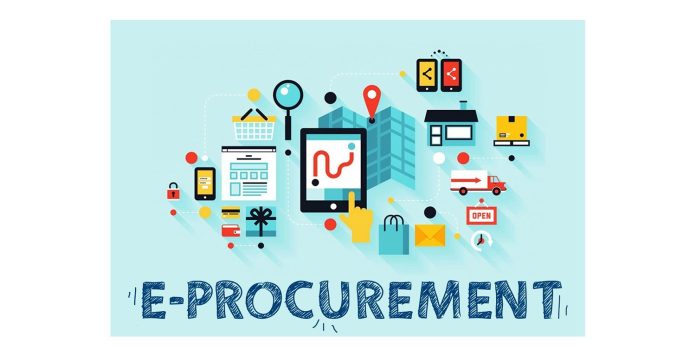

Today, with businesses changing so quickly, organizations look for ways to be more efficient and manage costs. There has been a significant change in the field of procurement, especially in the past few years. Now, procurement software is at the heart of helping companies streamline their procurement process, relying less on paper and offering greater benefits. Because of growing challenges in the market, businesses now rely more on e-procurement software. Thanks to e-procurement software, businesses are better able to transform procurement and remain successful in today’s marketplace.
Understanding E-Procurement Software
E-procurement software includes many digital tools that automate and improve the overall process of purchasing. With old procurement processes, teams and records are divided and rely on paperwork and hand approvals while e-procurement software unites these processes and information in one place. This makes it easier for different parties involved in procurement to communicate, which helps the process become more transparent and team-oriented.
Basically, e-procurement software helps with the entire procedure from requesting items to paying the vendor. Thanks to e-procurement software, organizations are able to do away with redundancies, reduce errors, and quicken the purchasing process. More than anything, e-procurement software allows procurement teams to make well-informed decisions that fit with what the organization wants to achieve, by showing them the full picture of spending, vendors’ performance, and what is in stock.
Key Benefits of Implementing E-Procurement Software
Enhanced Efficiency and Productivity
One important advantage is that e-procurement software can make the entire purchasing process run much more smoothly. Automating these routine steps with e-procurement software helps free procurement professionals so they can focus on important work that helps the organization. Research has found that e-procurement software can reduce how long it takes to handle orders by up to 70% leading to increased overall productivity within the procurement department.
Cost Savings and Spend Control
With the use of e-procurement software, organizations are able to see where they are spending, leading to better and more beneficial relationships with their vendors. Thanks to features like contract management catalog purchasing, and spend analysis e-procurement software ensures that organizations follow the right purchasing policies and don’t overspend. Also, e-procurement software cuts down on expenses by minimizing physical processing and paperwork and resolving any errors that might occur.
Improved Supplier Relationship Management
E-procurement software now enables organizations to work more closely with suppliers and enjoy increased opportunities for development together. Using e-procurement, organizations make it easier to work with, evaluate, and partner with suppliers through improved management, faster resolution of issues, and trust between both sides. As a result of this way of working, suppliers benefit and grow, and innovation and value are created at every junction in the supply chain.
The Rise of P2P Automation in Modern Procurement
P2P automation is a major part of e-procurement that helps companies achieve excellence all through the procurement process. P2P automation helps organizations bring together and streamline all activities involved in procurement, starting with the request and ending with payment. The integration of procurement and accounts payable through P2P automation creates a smooth flow of information and results in a clear view of the procurement process.
P2P automation uses AI, machine learning, and robotic process automation to help streamline tasks that are done regularly and help spot patterns and make good recommendations. Also, using AI, invoice matching is possible, which automatically checks and aligns invoices with purchase orders and receipts, making the job much easier and taking less time. Machine learning can also be used to study past data, help manage inventory, and select the right suppliers for each purchase.
Besides making procurement operations more efficient, P2P automation offers many additional benefits. This integration makes it easier for organizations to manage their finances snag early savings on payments, and make sure their financial activities follow the rules. By using P2P automation, companies can collect the necessary data for financial reporting, monitor compliance, and complete audits, reducing the risk of fraud and ensuring they stick to regulations.
Overcoming Implementation Challenges
While e-procurement software brings a lot of benefits, organizations often struggle to put it into practice. If people are resistant to the change, if the system does not easily connect with the company’s systems, and if training the staff is missing, the benefits might not materialize. These problems can be surpassed by gradually rolling out e-procurement, starting with important parts of the procedure and moving on to the whole procurement side.
Generally, conducting change management well helps an organization succeed in implementing e-procurement software. By including the stakeholders, explaining the positive aspects, and supplying necessary help and support, organizations can encourage acceptance of the e-procurement system. By selecting an e-procurement system that fits with their existing technology and business setup, organizations can avoid important issues and start realizing the benefits faster.
Future Trends in E-Procurement Software
Technological improvements and changing business world are pushing e-procurement software to evolve even faster. The future of e-procurement is being influenced by several trends that provide organizations with opportunities to get even more from their procurement process.
Mobile Procurement
Due to more workforce mobility, e-procurement software is adapting to mobile gadgets, making it easier for employees to place and manage orders at any time and place. Being able to use e-procurement software on mobile devices enhances how fast decisions are made and makes users more content.
Advanced Analytics and AI
More advanced technology is being used in e-procurement to give insights, foresee future market trends, and suggest the best courses of action for companies. As a result, organizations can predict changes in the market, choose suppliers more effectively, and find areas to enhance their value.
Sustainability and Ethical Sourcing
Because of increased focus on corporate social responsibility, e-procurement software is developing features that help organizations make their procurement practices more ethical and environmentally friendly. To help companies meet their environmental and social goals, e-procurement software now provides features like ratings for supplier sustainability, tracking of a company’s carbon footprint, and tracing supplier diversity.
Conclusion
An increasing number of organizations are turning to e-procurement software to update their procurement processes and gain an edge over others. With e-procurement software, organizations find it easier to move from transactional work to strategic management in their procurement function and gain more value. Similarly, using P2P automation brings procurement and finance together, helping organizations build a streamlined process flow.
Procol is known for being innovative as it looks toward the future in procurement technology. By providing solutions for every challenge in procurement Procol enables organizations to improve their purchasing process and maintain a sustainable increase in growth. Thanks to its intuitive interfaces, solid analytics, and easy integration, the platform empowers all kinds of businesses to improve their procurement process, form better supplier ties, and achieve their strategic goals.